How to Build True Passive Income: Myths vs. Reality

Introduction

Everyone dreams of earning money while they sleep. The idea of passive income—money flowing in without actively working—sounds like the ultimate financial goal. But is it really that simple?

The truth is, passive income isn’t 100% passive. It requires initial effort, strategy, and smart investments. Many people fall for misleading promises of “easy money” and end up disappointed. In this article, we’ll debunk common myths and explore realistic ways to build sustainable passive income.

——————————————————————

Common Myths About Passive Income

1. “You Can Make Passive Income Instantly”

• Reality: Most passive income sources require time, effort, and capital upfront before they generate money. For example, rental properties need management, and online businesses require marketing before they become hands-off.

✅ Instead: Be patient. Start early, build consistently, and reinvest profits for long-term rewards.

2. “No Work Is Needed”

• Reality: While passive income requires less ongoing effort, it’s never 100% hands-off. Investments need monitoring, and businesses need occasional updates to stay profitable.

✅ Instead: Choose scalable income streams that reduce active involvement over time, like dividend stocks or automated online businesses.

3. “Any Passive Income Idea Will Work”

• Reality: Not all passive income sources are equally profitable. Some are high-risk, while others may not generate enough returns.

✅ Instead: Research before you invest. Focus on proven income streams with sustainable long-term value.

———-———————————————————

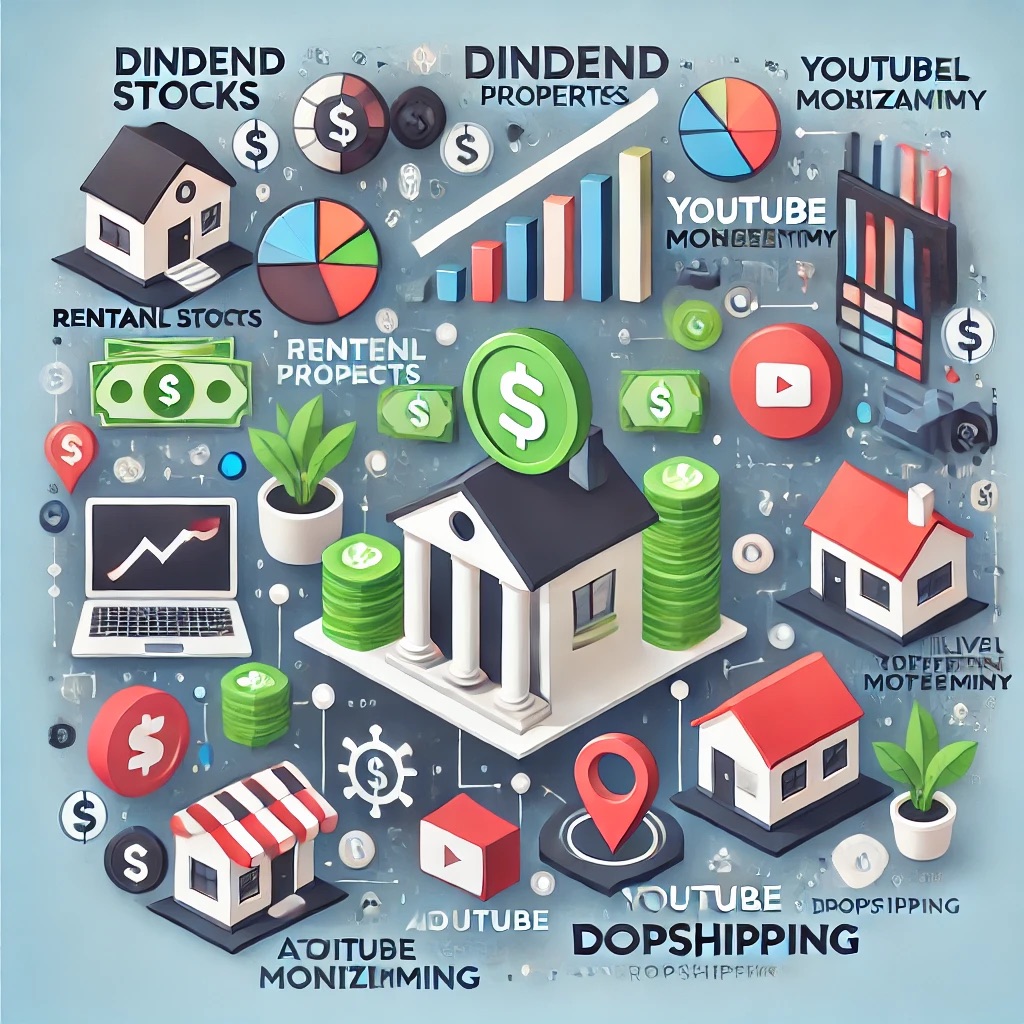
7 Proven Ways to Build Passive Income

1. Dividend Stocks

• Investing in dividend-paying stocks allows you to earn regular payouts from profitable companies.

• Requires: Initial capital & knowledge of the stock market.

• Effort Level: ★☆☆☆☆ (Monitor market trends occasionally).

2. Real Estate Rentals

• Buying and renting out properties can generate steady monthly income.

• Requires: Large initial investment & property management.

• Effort Level: ★★☆☆☆ (Hire property managers for less work).

3. Digital Products & Online Courses

• Selling ebooks, courses, or templates creates income with minimal ongoing work.

• Requires: Upfront effort in creation & marketing.

• Effort Level: ★★★☆☆ (Initial work, then automation).

4. Affiliate Marketing

• Promoting products on a website or social media earns commissions without inventory or customer service.

• Requires: A platform (website, YouTube, etc.) and audience.

• Effort Level: ★★☆☆☆ (Content creation, then passive earnings).

5. Creating a YouTube Channel or Blog

• Monetizing content through ads, sponsorships, or memberships provides ongoing revenue.

• Requires: Time & consistency in building an audience.

• Effort Level: ★★★★☆ (Active at first, passive later).

6. Automated Dropshipping Business

• Selling products online without handling inventory or shipping.

• Requires: Website setup, supplier coordination & marketing.

• Effort Level: ★★★☆☆ (Can be automated with the right systems).

7. Peer-to-Peer Lending & REITs

• Investing in P2P lending or Real Estate Investment Trusts (REITs) offers passive returns without direct property ownership.

• Requires: Investment capital.

• Effort Level: ★☆☆☆☆ (Minimal management).

——————————————————————

Conclusion: Passive Income is Built, Not Found

True passive income isn’t about quick money—it’s about smart, strategic efforts that lead to financial freedom over time. Whether through investments, digital products, or automation, the key is to start early, be consistent, and choose wisely.

What’s your next step toward building passive income?

Rich Mindset vs. Poor Mindset: The Key to Financial Growth

Introduction

Why do the wealthy continue to grow richer while others struggle financially? The answer isn’t just about income—it’s about mindset. The way we think about money directly impacts our financial decisions, habits, and long-term wealth.

A rich mindset focuses on growth, investment, and long-term financial security, while a poor mindset is often driven by short-term thinking, fear, and financial dependence. Understanding the difference is the first step toward transforming your financial future.

——————————————————————

Key Differences Between a Rich and Poor Mindset

1. Money as a Tool vs. Money as a Goal

• Rich Mindset: Views money as a tool to create opportunities, invest, and generate more income.

• Poor Mindset: Sees money as the end goal, focusing only on earning and spending without long-term planning.

✅ Tip: Start seeing money as a means to an end—financial security, freedom, and investment opportunities—rather than just a number in your bank account.

2. Investing vs. Saving

• Rich Mindset: Invests money in assets that appreciate, such as stocks, real estate, and businesses.

• Poor Mindset: Holds money in savings, often fearing investment risks and inflation.

✅ Tip: Saving is important, but investing allows your money to work for you. Start with small, low-risk investments and build from there.

3. Thinking Long-Term vs. Thinking Short-Term

• Rich Mindset: Focuses on long-term financial freedom, making sacrifices today for a better future.

• Poor Mindset: Prioritizes instant gratification, often spending impulsively without considering the long-term impact.

✅ Tip: Before making a financial decision, ask: “How will this affect my future wealth?”

4. Seeking Growth vs. Avoiding Risks

• Rich Mindset: Embraces calculated risks and seeks financial education to make better decisions.

• Poor Mindset: Avoids risk entirely, leading to lost opportunities for growth.

✅ Tip: Educate yourself about financial risks—understanding them can turn risk into opportunity.

5. Multiple Income Streams vs. One Income Source

• Rich Mindset: Develops multiple income streams, such as investments, businesses, and passive income.

• Poor Mindset: Relies solely on a single job or paycheck, making financial stability fragile.

✅ Tip: Explore side businesses, freelancing, and investment opportunities to diversify your income sources.

6. Learning vs. Complaining

• Rich Mindset: Seeks self-improvement, reads financial books, and learns from successful individuals.

• Poor Mindset: Blames external factors for financial struggles without taking action to improve.

✅ Tip: Invest in your financial education—the more you learn, the better financial decisions you’ll make.

——————————————————————

Conclusion

Your financial success isn’t just about how much you earn—it’s about how you think and act with money. Shifting to a rich mindset means focusing on growth, investment, and long-term planning, rather than just working for money.

What small step can you take today to shift your mindset toward financial success?

How to Build Your Financial Moat: Protecting and Growing Your Wealth

Introduction

In the world of finance, a moat refers to a competitive advantage that protects a business from threats. But did you know that the same concept applies to personal wealth? A financial moat is the set of strategies and assets that safeguard your money, ensuring long-term financial security and growth. Without a strong financial moat, your wealth is vulnerable to inflation, economic downturns, and unexpected expenses.

The Key Elements of a Strong Financial Moat

1. Multiple Income Streams

Relying on a single source of income is risky. Building multiple income streams, such as investments, rental income, side businesses, or royalties, ensures financial resilience even in uncertain times.

2. Emergency Fund

A well-funded emergency fund (typically 3-6 months of expenses) acts as a financial buffer, preventing you from falling into debt during unexpected situations like job loss or medical emergencies.

3. Smart Investments

Your money should work for you. Invest in assets like stocks, bonds, real estate, or businesses that provide long-term growth and passive income. Diversification is key—never put all your money in one asset class.

4. Debt Management

High-interest debt (like credit card debt) erodes wealth. A solid financial moat includes strategies to eliminate bad debt quickly while leveraging low-interest debt for wealth-building opportunities, such as property investments.

5. Inflation Protection

Inflation reduces the value of your money over time. Protect yourself by investing in assets that appreciate, such as stocks, real estate, and commodities. Holding too much cash in low-interest savings accounts can be a financial pitfall.

6. Insurance as a Safety Net

Unexpected events can destroy wealth. Health insurance, life insurance, and income protection plans help shield your finances from catastrophic losses, ensuring long-term stability.

7. Estate Planning

A financial moat isn’t just about building wealth, but also preserving and passing it on. Proper estate planning—such as trusts, wills, and tax-efficient wealth transfer strategies—ensures that your legacy remains intact.

Conclusion

Building a financial moat is about creating a strong, resilient financial foundation that protects your wealth and allows it to grow over time. By diversifying income, managing risks, and making strategic investments, you ensure long-term security and financial independence.

The question is—how strong is your financial moat?

Passive Income vs. Active Income: The Key to Financial Freedom

Introduction

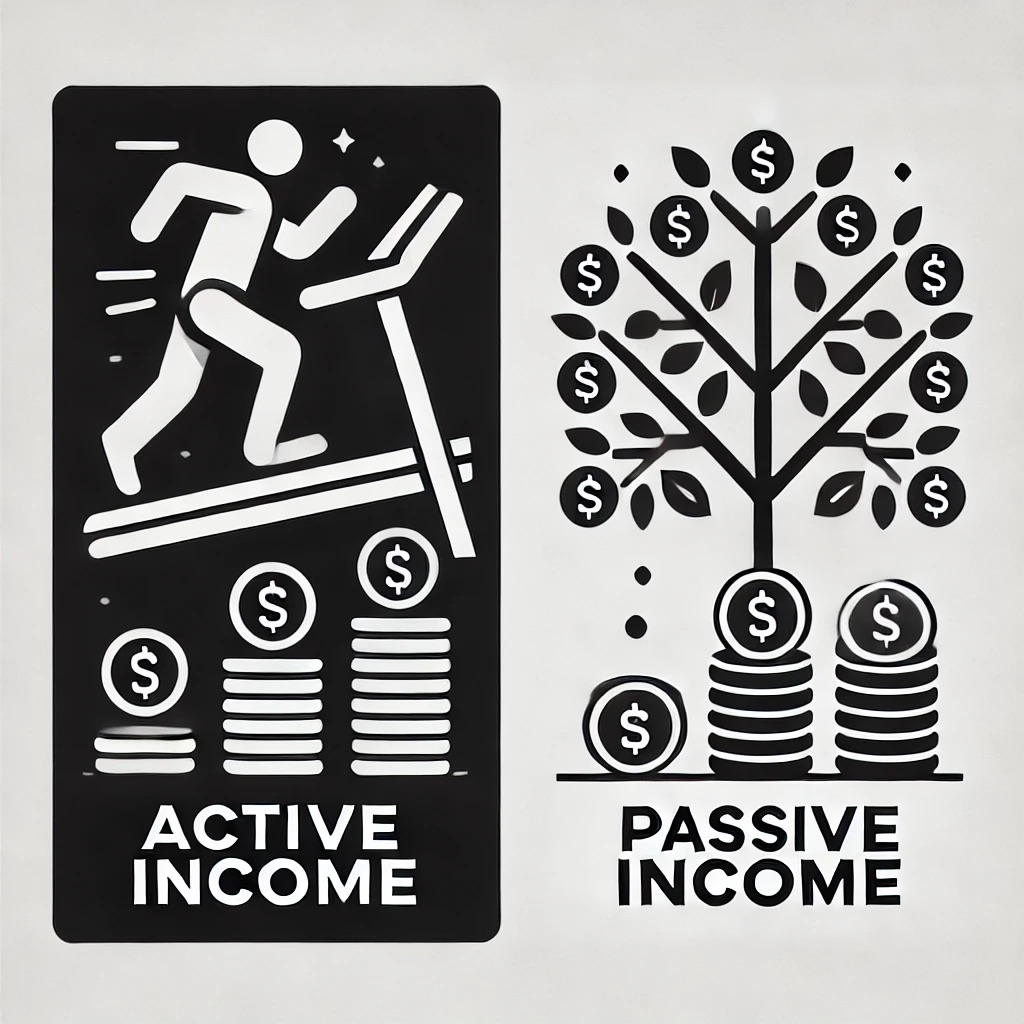
Most people earn money through active income, where they trade their time and effort for a paycheck. However, true financial freedom comes when you build passive income—money that continues to flow in even when you’re not actively working. Understanding the difference and learning how to transition from active to passive income is the foundation of long-term wealth.

What is Active Income?

Active income is money earned through direct effort, such as:

• Salaries from full-time jobs

• Freelance or contract work

• Commissions and sales-based earnings

This type of income requires continuous work—once you stop working, the money stops coming in.

What is Passive Income?

Passive income is money earned with minimal ongoing effort. Some common sources include:

• Rental income from real estate properties

• Dividends from stocks and investments

• Royalties from books, music, or intellectual property

• Affiliate marketing and online businesses

• Automated side businesses

While passive income requires initial investment (either time or money), it provides financial stability and freedom over time.

How to Transition from Active to Passive Income

1. Maximize Active Income First – Use your salary or earnings to fund investments.

2. Invest in Income-Generating Assets – Start with stocks, real estate, or businesses that create passive returns.

3. Automate and Scale – Set up systems where your money works for you with minimal involvement.

4. Diversify Your Income Streams – The more sources of passive income you have, the more financial security you build.

Conclusion

While active income pays the bills, passive income builds wealth and freedom. The key is to gradually shift your financial strategy so that more of your income comes from assets that generate money for you—even while you sleep. Start small, be consistent, and watch your financial independence grow.

Investing vs. Saving: Striking the Right Balance for Financial Growth

Introduction

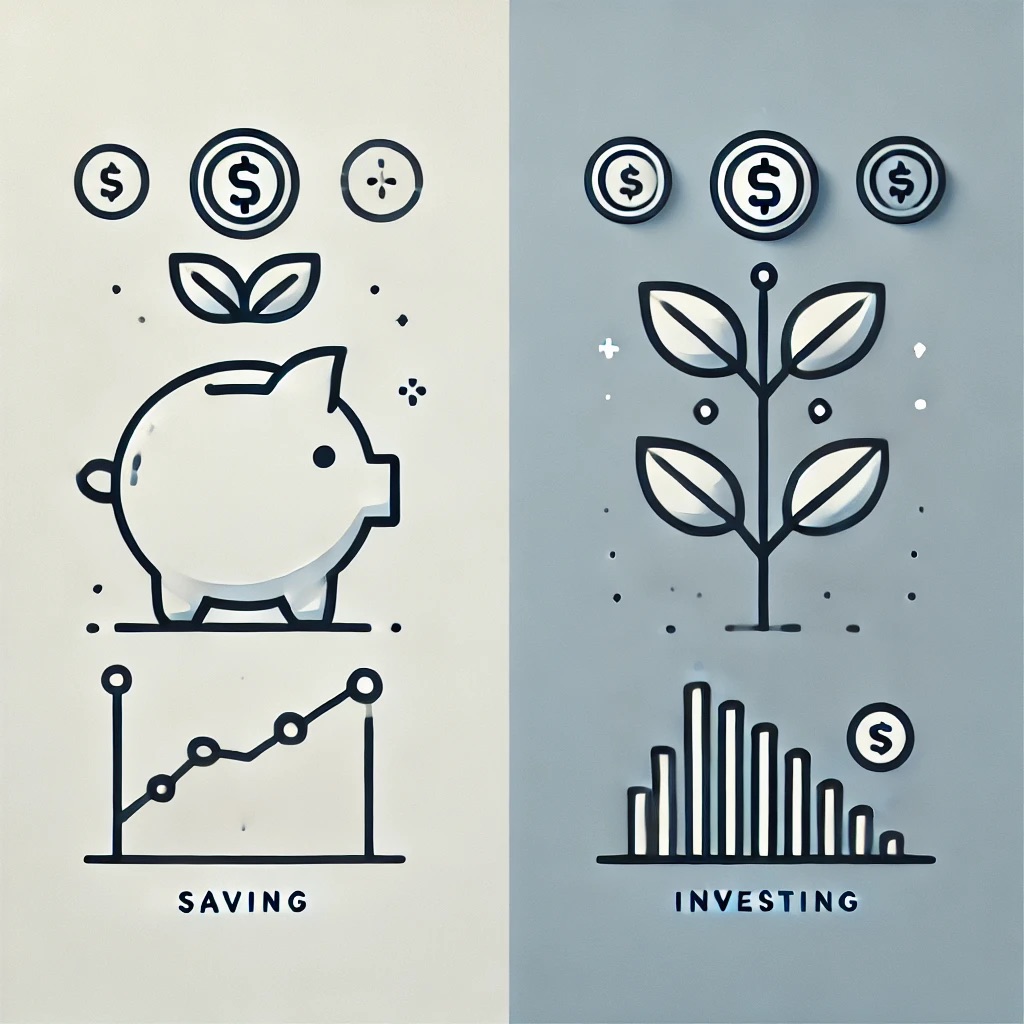
Many people believe that saving money is the safest way to secure their financial future. While saving is essential, relying solely on it can be a costly mistake. Inflation gradually erodes the value of money sitting in a savings account, whereas investing offers the potential for long-term growth. So, how do you strike the right balance between saving and investing?

The Purpose of Saving

Saving is about safety and accessibility. It ensures that you have liquid funds available for emergencies, short-term goals, and unexpected expenses. A well-funded emergency account (typically 3 to 6 months of living expenses) protects you from financial shocks and provides peace of mind. However, keeping excessive cash in low-yield savings accounts can result in a loss of purchasing power over time.

The Power of Investing

Investing is about growing wealth. By putting money into assets such as stocks, bonds, mutual funds, or real estate, you allow your wealth to compound over time. Unlike savings, investments can outpace inflation and generate passive income. Although investing carries risks, a well-diversified portfolio can mitigate potential losses while maximizing returns.

Finding the Right Balance

To achieve financial success, it’s crucial to determine how much to save and how much to invest. Consider these guidelines:

1. Build an Emergency Fund First – Before investing, ensure you have sufficient savings for unexpected situations.

2. Define Your Financial Goals – Short-term goals (e.g., buying a car, vacation) should be funded through savings, while long-term goals (e.g., retirement, wealth accumulation) are better suited for investments.

3. Manage Risk Wisely – If you’re new to investing, start with lower-risk options and gradually expand into higher-yield investments.

4. Diversify Your Portfolio – Spread investments across different asset classes to minimize risk.

5. Review and Adjust Regularly – Market conditions and personal circumstances change, so regularly reassess your financial strategy.

Conclusion

While saving offers security, investing provides financial growth. A well-balanced strategy involves maintaining an emergency fund while strategically investing for long-term wealth creation. The key is to understand your financial goals and allocate funds accordingly—ensuring both stability and prosperity.

The Hidden Trap: Why Saving Alone Won’t Make You Rich

“If saving money is the key to wealth, why do so many diligent savers still struggle financially?”

For years, we have been taught that saving money is the ultimate path to financial security. While building savings is important, relying solely on it will never lead to true wealth. In fact, saving without a strategy can be a financial trap—one that many fall into without realizing it.

This article will break down:

• Why saving alone is not enough to build wealth

• The hidden risks of relying solely on savings

• How to make your money work for you instead of just keeping it idle

The Problem with Saving Alone

Imagine you diligently save a portion of your income every month. Over the years, you accumulate a significant amount of money in your bank account. But here’s the reality:

1. Inflation Erodes Your Wealth – The purchasing power of your savings decreases over time. A dollar today won’t have the same value in 10 years.

2. No Passive Growth – Money sitting in a bank earns little to no returns, missing out on the power of compounding.

3. Limited Financial Leverage – While savings provide security, they don’t generate additional income streams.

So, if saving alone isn’t the solution, what is?

Building Wealth the Right Way

Wealth is created through a combination of strategic saving, investing, and financial planning. The key is to:

• Invest Wisely – Allocate funds into assets that grow over time, such as stocks, real estate, or businesses.

• Diversify Your Income – Relying on a single income source is risky; multiple income streams offer security and growth.

• Leverage Smart Debt – Not all debt is bad; using financial leverage wisely can accelerate wealth accumulation.

Conclusion

While saving is a crucial financial habit, it is only the first step. True financial success comes from understanding how to grow and manage money effectively. Instead of just saving, focus on strategic investing, wealth-building strategies, and financial education to secure long-term prosperity.

Are you ready to shift from simply saving to truly growing your wealth? Let’s take the next step together.

Why Does Your Salary Always Seem to Disappear? Unveiling the Key to Financial Freedom

“Have you ever felt like no matter how hard you work, your paycheck seems to vanish within days? You try to save, yet financial freedom still feels out of reach. So, what exactly is going wrong?”

Many assume that not earning enough is the primary reason behind their financial struggles. However, the reality is that even if income doubles, poor financial habits can still lead to living paycheck to paycheck or even falling into debt. The true challenge is not how much money is earned, but how effectively it is managed.

This article will explore the reasons expenses often outpace income, the fundamentals of building a sustainable financial system, and the first essential step toward achieving long-term financial security. Understanding these principles is crucial for shifting from merely earning money to making money work for you.

Create your own website, free on WordPress.com.Create your own website.
Start free